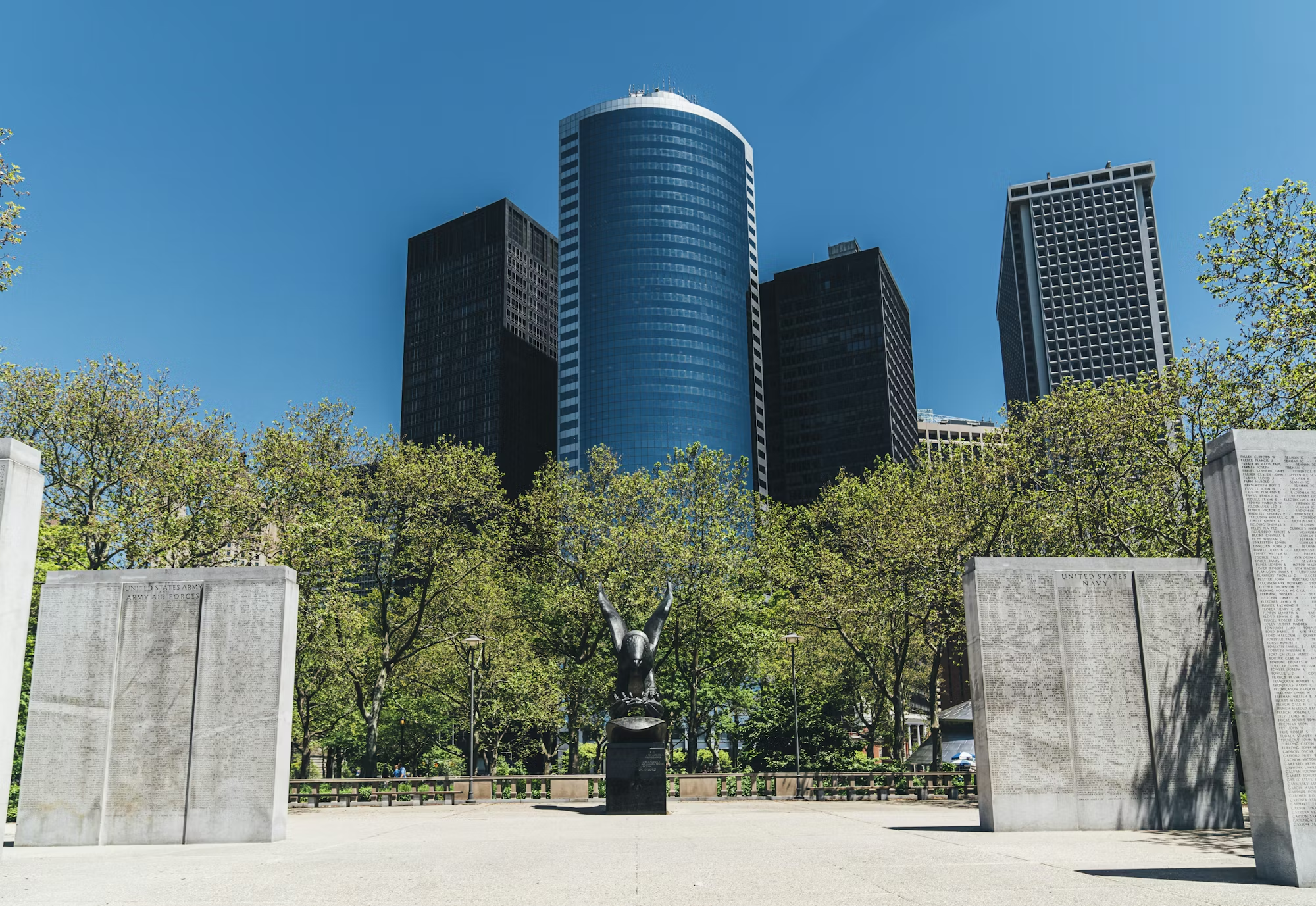
The real estate market is a complex ecosystem influenced by the unique characteristics of different city types. From sprawling metropolises to quaint university towns, each city type presents its own set of opportunities and challenges for investors and developers. Understanding these dynamics is essential for navigating the ever-evolving landscape of real estate. Metropolises are characterized by their vast size and dense populations, often filled with high-rise buildings and a bustling mix of residential and commercial spaces. The extensive infrastructure supports a diverse range of economic activities, creating a fertile ground for real estate investment. However, the high demand for housing and commercial properties can lead to increased competition and rising prices. Investors must remain vigilant, identifying emerging neighborhoods that offer potential for growth while keeping an eye on market fluctuations. Megacities, defined as urban areas with populations exceeding ten million, face unique challenges stemming from rapid urbanization. These cities often grapple with infrastructure strain, necessitating innovative housing solutions and sustainable development practices. Investors should focus on adaptive reuse projects, which transform underutilized spaces into vibrant residential and commercial hubs, helping to meet the demands of a growing population. Capital cities serve as the administrative heart of their respective countries, often housing government institutions, cultural landmarks, and a wealth of historical significance. The real estate market in these cities tends to be robust, driven by both local and international demand. Properties near government buildings or cultural sites often command premium prices. Furthermore, the presence of diplomatic missions and international organizations can bolster the demand for high-quality office spaces, presenting lucrative opportunities for developers and investors alike. Port cities, located along coastlines or near significant waterways, are vital hubs for maritime trade. The real estate market here thrives on the demand for residential and commercial properties that cater to shipping and logistics industries. Waterfront developments can also attract tourists, enhancing property values and generating additional revenue streams. Investors should consider mixed-use developments that incorporate residential, commercial, and recreational spaces, creating vibrant communities that draw residents and visitors alike. Cities known as tech hubs are characterized by their concentration of technology companies, startups, and innovation centers. This concentration drives demand for modern office spaces and residential areas, as young professionals flock to these dynamic environments. Investors should focus on properties that offer flexible workspaces and amenities catering to the tech-savvy population. Additionally, collaborations between real estate developers and tech firms can lead to the creation of smart buildings equipped with cutting-edge technology, appealing to a discerning market. Tourist cities are designed to attract visitors through a range of attractions and cultural sites. The real estate market in these cities often includes short-term rentals, hotels, and hospitality spaces. Developers can capitalize on tourism trends by investing in properties that cater to vacationers while enhancing local culture. Understanding seasonal fluctuations in tourism can help investors optimize rental income and occupancy rates, making informed decisions about property management strategies. University towns, dominated by educational institutions and research centers, create a vibrant atmosphere that attracts students and academics. The demand for housing in these areas is often driven by the influx of students, leading to a competitive rental market. Investors can explore opportunities in developing affordable housing options that cater to students while balancing the needs of local residents. This market often benefits from steady demand, making it an appealing choice for long-term investment strategies. Financial centers are pivotal for economic activity, housing major banks, investment firms, and corporate offices. The real estate landscape in these cities is marked by high-value commercial properties and a constant demand for office spaces. Investors should focus on developments that meet the needs of professionals seeking prime locations with convenient access to financial services. Additionally, the trend toward remote work may influence the design and function of office spaces, requiring adaptability in investment strategies. Historic cities, known for their rich cultural heritage and architectural significance, attract those interested in history and tourism. The real estate market here often involves preserving historical buildings while accommodating modern needs. Investors can find opportunities in restoration projects that enhance property value, contributing to the preservation of cultural landmarks while meeting contemporary demands. Smart cities leverage technology and data to enhance infrastructure, services, and sustainability. The real estate market in these cities focuses on eco-friendly developments and innovative solutions that improve residents’ quality of life. Investors should prioritize projects that align with smart city initiatives, appealing to environmentally conscious buyers while addressing urban challenges. Planned cities are designed with careful urban planning, featuring organized layouts and specific zoning to optimize functionality. The real estate market benefits from cohesive community planning, ensuring that amenities are accessible and well-integrated. Investors can explore opportunities in developments that promote a balanced lifestyle, catering to both residents and businesses while enhancing the overall quality of life. Industrial cities, centered around manufacturing and heavy industries, play a crucial role in a country’s economic output. The demand for industrial real estate, including warehouses and factories, creates a distinct market. Investors should consider the evolving landscape of industries, including shifts toward automation and sustainability, adapting their strategies to align with market demands. In conclusion, the diverse characteristics of different city types significantly influence real estate market trends and investment opportunities. By understanding the unique dynamics of each city type, investors and developers can tailor their strategies to maximize potential in this ever-evolving industry. Whether focusing on emerging neighborhoods in megacities or revitalizing historic properties in cultural centers, the key to success lies in recognizing the unique needs and opportunities presented by each urban landscape.

Designing Outdoor Spaces: Transforming Your Home’s Exterior
This article explores the key elements of outdoor design, offering tips on how to create inviting an
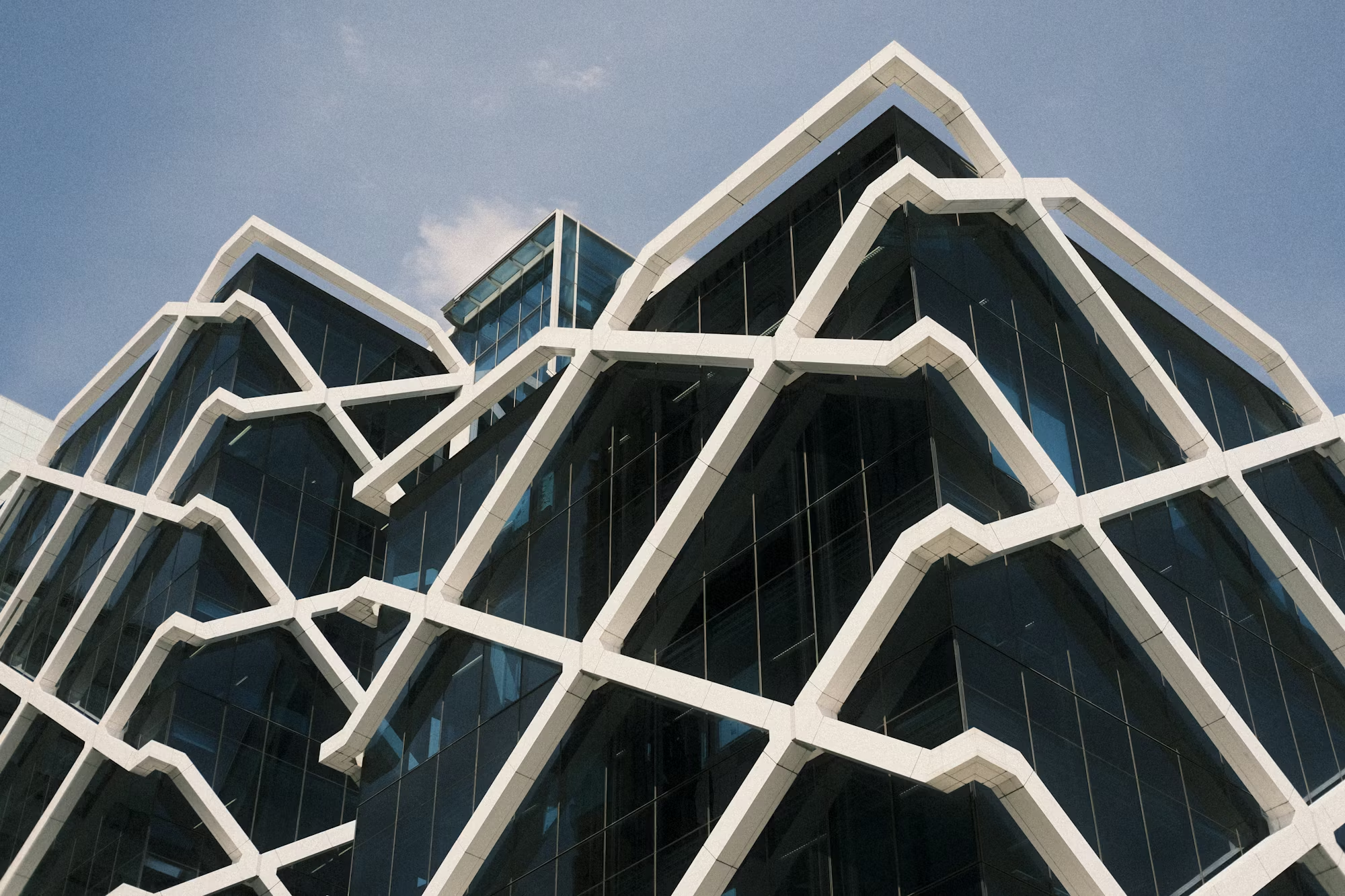
Exploring the Allure of Loft Condominiums: A Trendy Urban Choice
This article examines the rise of loft condominiums, highlighting their unique features, lifestyle b

Creating a Cozy Bedroom Retreat: Design Tips for Ultimate Comfort
This article explores essential tips and creative ideas for designing a cozy bedroom that enhances r

Exploring Eco-Friendly Homes: The Rise of Sustainable Architecture
This article delves into the growing trend of eco-friendly homes, examining their design principles,

Exploring the Timeless Charm of Victorian Homes
This article delves into the defining characteristics, historical context, and enduring appeal of Vi

Elevating Your Home Aesthetic: Tips for Stylish Interior Design
This article explores innovative interior design tips to elevate your home’s aesthetic, focusing on
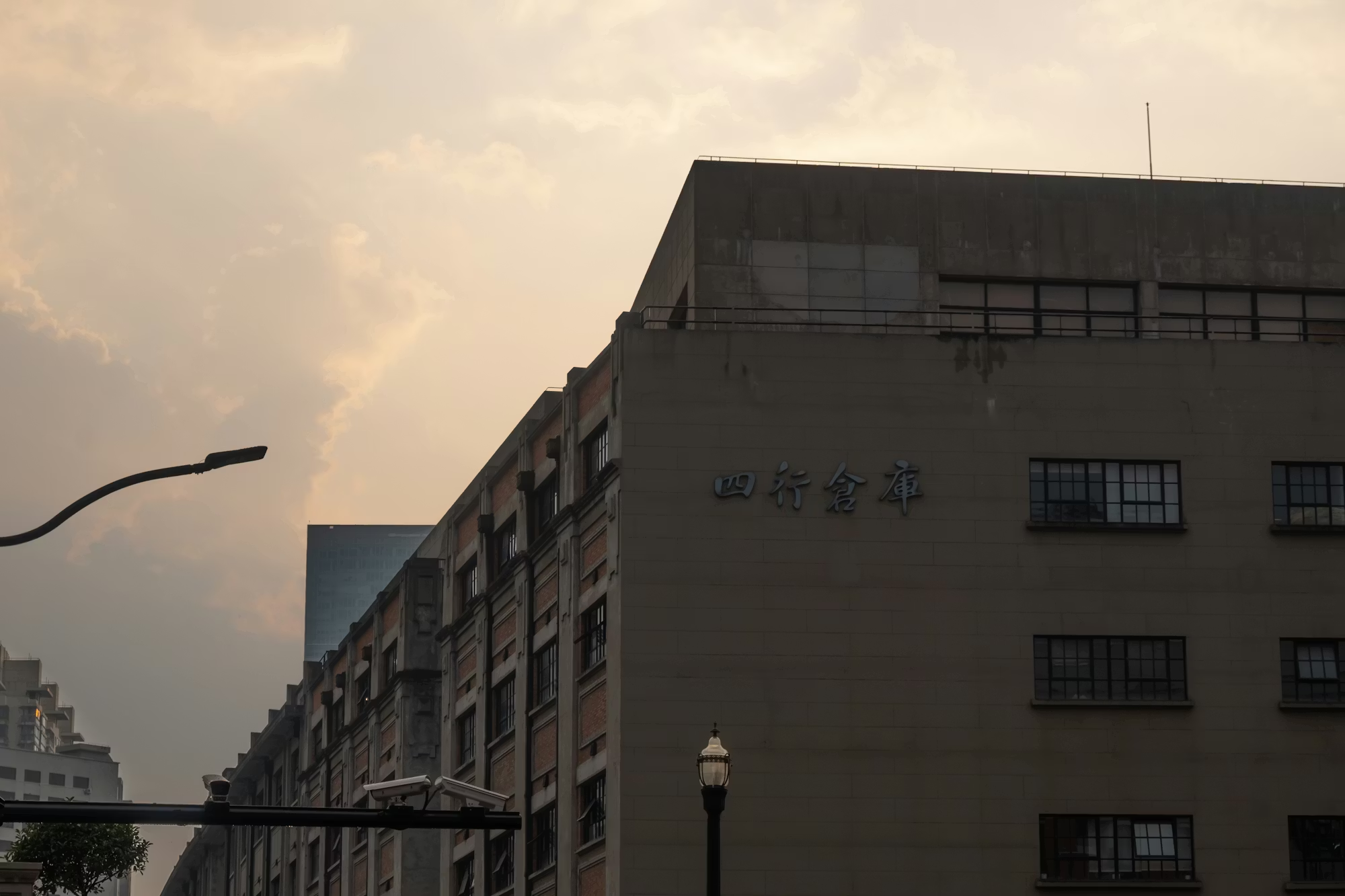
Maximizing Space: Innovative Design Ideas for Small Condominiums
This article discusses innovative design solutions and tips for maximizing space in small condominiu

Eco-Friendly Living: Sustainable Design for Modern Homes
This article explores sustainable design practices and eco-friendly materials for creating environme

Creating a Serene Home Environment: Tips for Achieving Calm and Balance
A detailed guide on how to cultivate a serene home environment through mindful design choices, organ
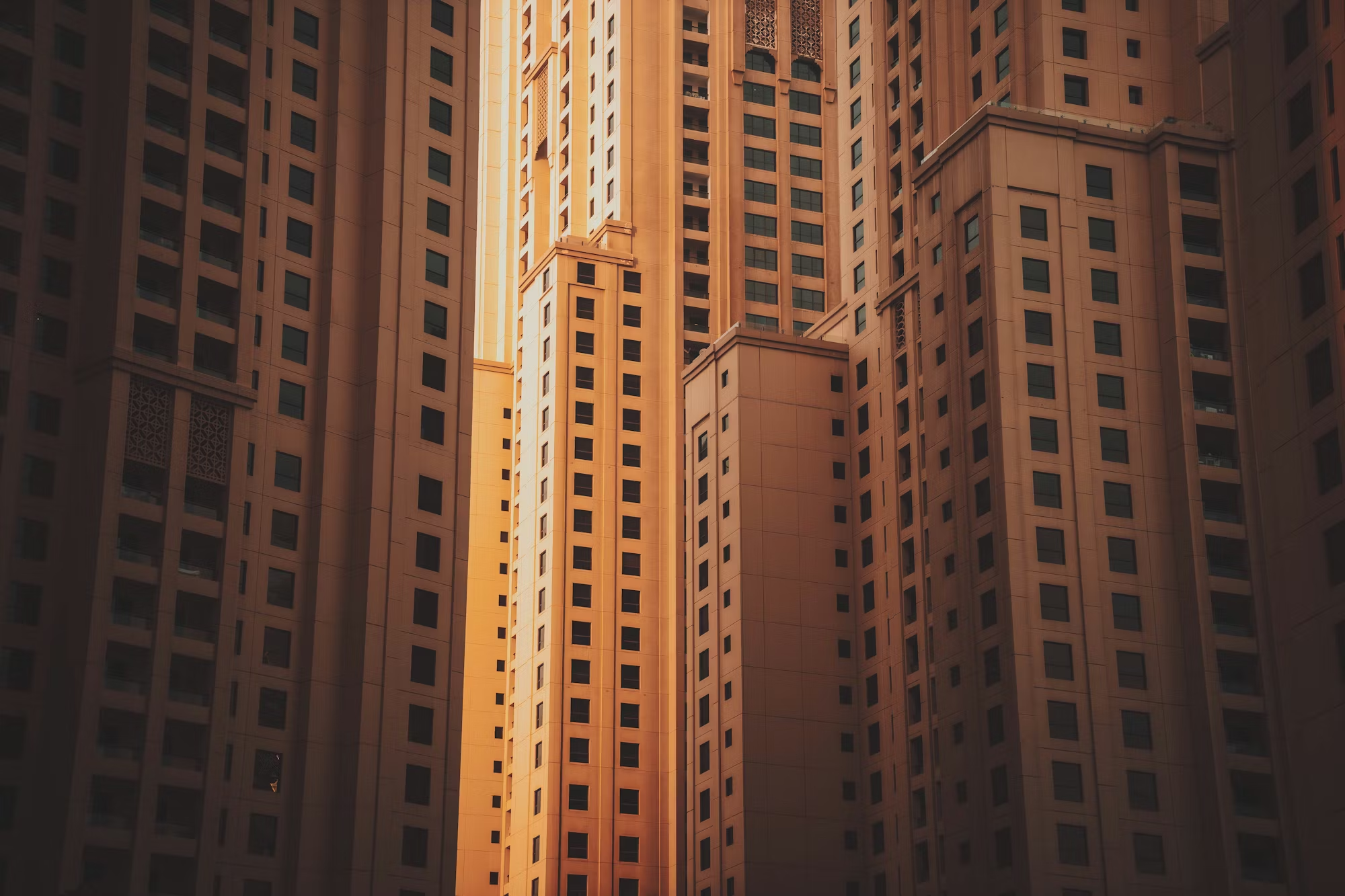
Exploring the World of Mixed-Use Condominiums: The Future of Urban Living
This article examines the rise of mixed-use condominiums, highlighting their benefits, design featur